The South African football landscape is bracing for a monumental shift. With the 2026 FIFA World Cup underway, the national team is fully focused on navigating a highly demanding group stage against the likes of Mexico, Czechia, and South Korea. Yet, while the players battle for global glory on the pitch, a massive boardroom narrative is developing behind the scenes.
Following veteran head coach Hugo Broos’ confirmation that he intends to officially step down from his post after the conclusion of the tournament, the South African Football Association (SAFA) is about to embark on a crucial hunt for a successor.
Stepping boldly into the spotlight is former Bafana Bafana midfield general and experienced tactician Eric Tinkler.
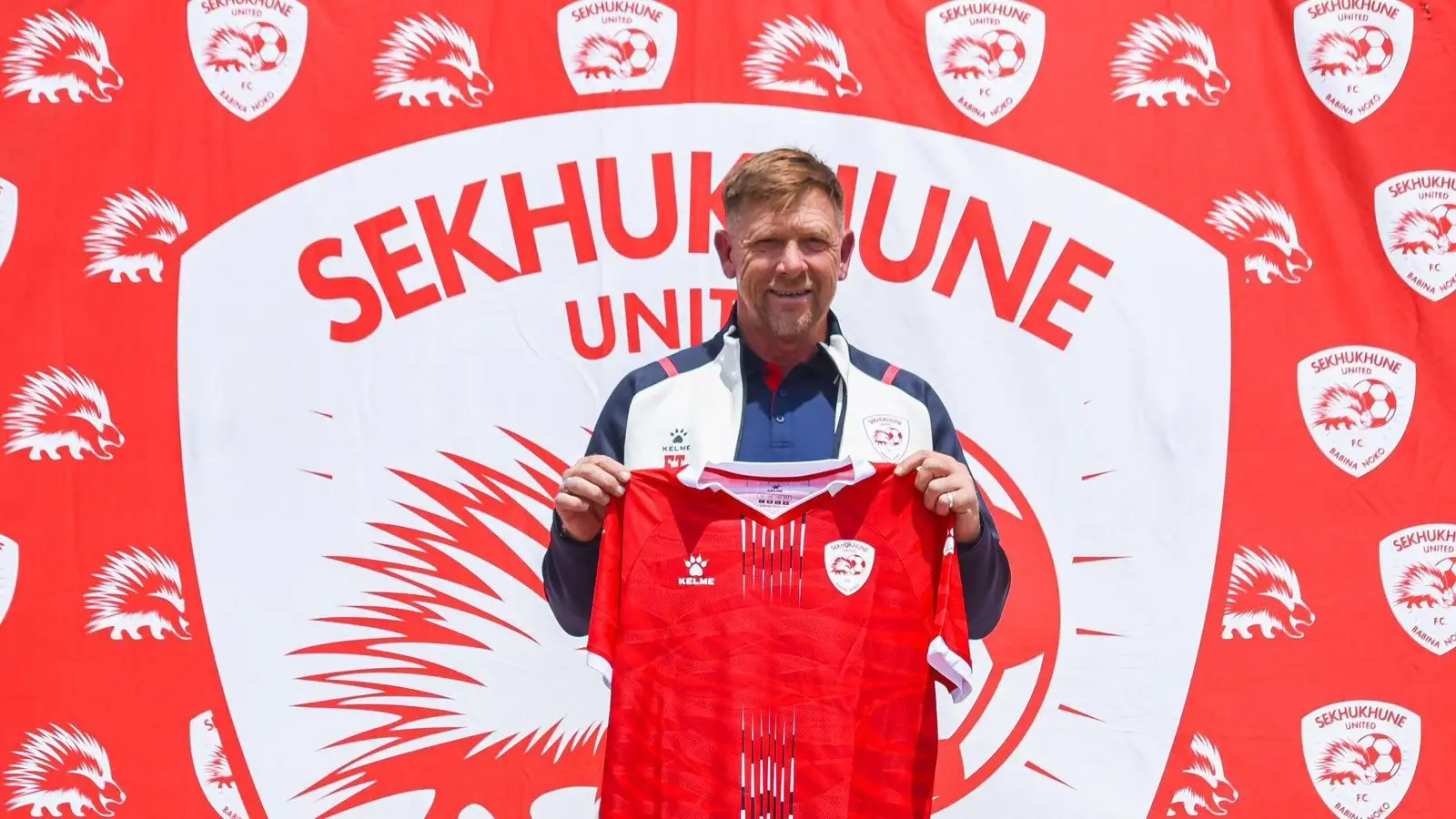
Having recently parted ways with Betway Premiership side Sekhukhune United by mutual agreement, the 1996 Africa Cup of Nations (AFCON) winner has openly put his hand up for the national team hot seat. In doing so, Tinkler has completely shifted the conversation surrounding local versus foreign coaching expertise for the next generation of the national team.
Clearing the Air: Shutting Down Domestic Links
Before throwing his hat into the international ring, Tinkler took the opportunity to decisively address mounting speculation regarding his next potential club-level move.
Following a dip in form at the turn of the new year, Sekhukhune United opted for a change in technical direction, parting ways with Tinkler in late April after a 13-month tenure. Almost immediately, rumor mills linked the 55-year-old tactician with a high-profile move to KwaZulu-Natal to assume the permanent managerial vacancy at Durban City.
The links to Durban City were heavily intensified due to Tinkler’s highly successful past working relationship with chairman Farook Kadodia. Speculation grew even more rampant when Tinkler was spotted in KZN conducting a localized coaching clinic and elite tactical workshop at Hilton College.
However, the former Cape Town City manager was quick to pour ice on the rumors, confirming that he hasn’t held any formal talks with the Durban City hierarchy. His focus, it appears, is firmly fixed on a much grander sporting landscape.
The Pedigree of a Legend: Why Tinkler Fits the Blueprint
For SAFA, appointing Broos’ successor will require finding someone who can maintain the tactical discipline, structural stability, and fierce psychological hunger that led Bafana Bafana to a bronze-medal finish at the 2024 AFCON and a subsequent historic World Cup qualification. Tinkler possesses an elite domestic and international profile that checks almost every foundational box.
Tinkler is not merely an ambitious candidate; he is a certified legend of South African football. As a player, his aggressive, tireless work rate in the heart of midfield anchored Clive Barker’s iconic 1996 squad to continental glory. He understands the immense weight, unique pressure, and profound patriotism that comes with wearing the national team jersey.
As a coach, his track record across the domestic top flight speaks volumes. He famously guided Orlando Pirates to the CAF Confederation Cup final in 2015, repeated the extraordinary continental feat with SuperSport United in 2017, and secured major domestic knockout trophies with both Cape Town City and Matsatsantsa. His tactical philosophy is built on high-intensity transition football, unyielding defensive organization, and a strict no-nonsense dressing room culture—traits that mirror the very foundations laid by Hugo Broos.
The Vision: Moving Towards Local Sovereignty
The Perspective: For nearly half a decade, South African football has relied heavily on European tactical leadership to steady the national ship. Hugo Broos brought exceptional structure, but his impending retirement represents the perfect moment for SAFA to trust an elite homegrown product.
By expressing his desire to manage the national team, Tinkler is championing a necessary push for local coaching sovereignty. Unlike an international manager who would require months to adjust to the unique political, structural, and cultural nuances of South African sports, Tinkler already possesses intimate knowledge of the domestic ecosystem.
He has spent years scouting, developing, and coaching the very players that form the backbone of the current national setup. Furthermore, his extensive experience navigating the notoriously hostile, physically taxing terrains of CAF club football means he will not be intimidated by grueling qualification campaigns in West, North, or East Africa.
The Final Verdict
With Bafana Bafana currently entirely focused on making a massive statement at the ongoing 2026 World Cup, any official decision regarding the hot seat will naturally be delayed until the tournament concludes.
However, by publicly signaling his availability and putting his hand up early, Eric Tinkler has laid down an undeniable marker. He has forced SAFA to look inward for their next long-term tactical architect. If the football hierarchy is serious about establishing a continuous, self-sustaining football identity that honors the golden generation of 1996 while modernizing for the future, handing the keys of the national team to a battle-tested warrior like Tinkler could be the smartest executive move they make.
About the Author