The Government of Malawi has launched a comprehensive public and international fundraising campaign to finance one of the largest state-led humanitarian rescue operations in its recent history.
Faced with an escalating crisis that has left an estimated 10,000 Malawian nationals vulnerable, displaced, and stranded across South Africa, authorities in Lilongwe acknowledge that the sheer magnitude of the situation has completely overwhelmed the country’s existing fiscal and logistical resources.
The urgent evacuation initiative, officially termed a “national humanitarian mission,” is being coordinated by the Department of Disaster Management Affairs (DoDMA) in close collaboration with the Ministry of Foreign Affairs and International Cooperation, as well as the Malawi High Commission in Pretoria.
With tensions running high and an anti-immigrant ultimatum looming in South Africa, thousands of distressed Malawians have swamped consular channels pleading for a safe passage back home.
The Catalyst: Rising Hostility and the June 30 Deadline
The emergency repatriation campaign comes in the wake of intensifying localized violence, vigilante attacks, and targeted anti-immigrant marches that have flared up across various South African provinces over recent weeks.
From the coastal towns of the Western Cape to the industrial hubs of KwaZulu-Natal, migrant communities have faced immense pressure from local anti-immigrant groups. Tensions reached a boiling point after these local groups issued a strict, informal June 30 deadline demanding that all undocumented foreign nationals leave the country.
The resulting panic has forced hundreds of Malawian families out of their rented accommodations and workplaces, stripping many of their livelihoods overnight.
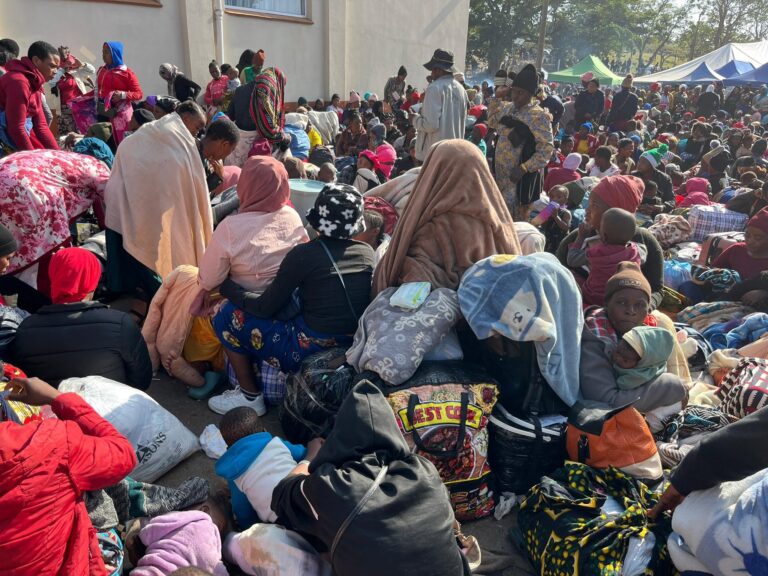
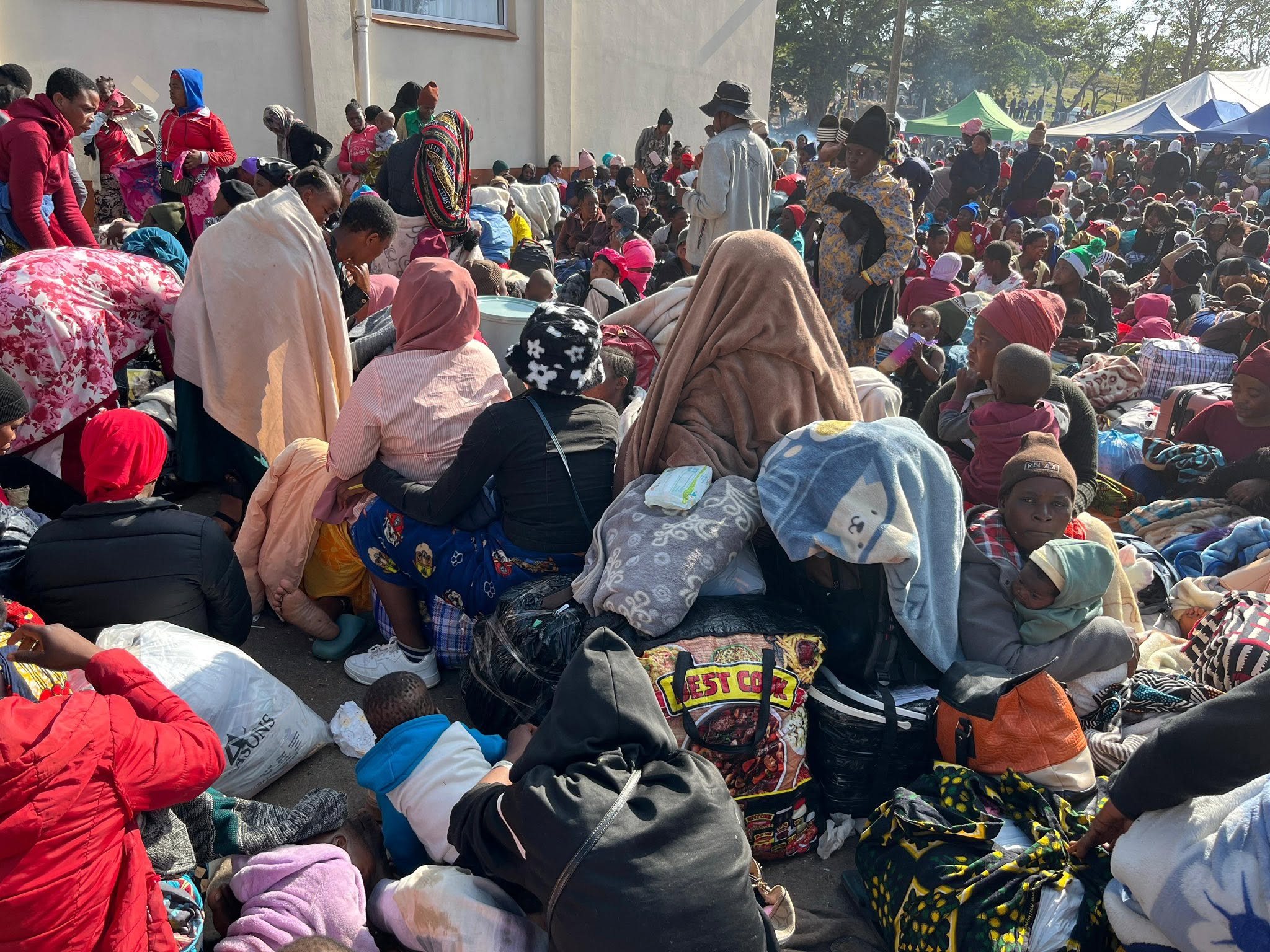
In Durban, the epicenter of the initial displacement, more than 4,000 Malawians found temporary refuge at the Sherwood Community Hall and other municipal shelters after losing their homes, possessions, and savings.
While South African President Cyril Ramaphosa assured parliament that law enforcement would crack down on xenophobic vigilantism, the profound fear sweeping through the migrant communities has triggered an unprecedented wave of voluntary repatriation requests. Diaspora representatives note that while 10,000 is the official government target, informal registration registries suggest that up to 20,000 to 30,000 citizens may ultimately require assistance.
Anatomy of the Repatriation Pipeline
Despite severe budget constraints, the Malawian government has activated a multi-agency task team on the ground in South Africa to oversee registration, identity verification, and protection services.
Because a vast majority of the stranded nationals lost their personal effects during forced displacements, the embassy is issuing emergency travel documents on an accelerated timeline.
The logistical chain relies heavily on cross-border bus transport. The operation officially gathered momentum when an initial fleet of eight long-haul buses carrying the first 645 returnees departed from Durban. These citizens are traveling through Zimbabwe via the Mwanza border crossing, heading toward a massive, specialized reception and management facility established at the Kamuzu Stadium in Blantyre.
At Kamuzu Stadium, returning nationals do not just step off a bus; they enter a comprehensive, state-managed processing infrastructure. Returnees are provided with temporary shelter, hot meals, medical screenings, protection services, and critical psychosocial support to help them process the trauma of sudden displacement.
Once processed, DoDMA coordinates and funds their onward transportation from Blantyre directly to their respective home districts across Malawi, giving them a foundation for a fresh start.
The Financial Appeal: How to Support the Mission
In a joint statement, DoDMA Commissioner Wilson Moleni and the Ministry of Foreign Affairs admitted that the staggering cost of fueling bus fleets, provisioning processing centers, and guaranteeing long-term reintegration packages has exhausted state contingency reserves.
Consequently, the state has appealed directly to international development partners, corporate entities, faith-based organizations, transport operators, and private well-wishers to step in with direct financial or material aid.
To ensure the utmost financial transparency and prevent fraud, the Reserve Bank of Malawi has opened dedicated, audited accounts to receive local and international transfers exclusively earmarked for the rescue mission:
- Malawi Kwacha (MWK) Account: 0013000200025 (Capital City Branch)
- Foreign Currency Account (FCA): 0013000200022
- International SWIFT Transfers: Processed via SWIFT code
RBMAMWMWthrough Citibank N.A. (Account:36005022, SWIFT:CITIUS33).
The government has stressed that contributions do not have to be exclusively financial. Donations of fuel vouchers, commercial transport services, non-perishable food supplies, hygiene kits, and temporary bedding are being actively processed to ease the mounting strain on the Blantyre reception hub.
The Voice from the Ground
The slow pace of the early evacuation phases sparked immense frustration among those waiting in crowded community centers. Some displaced nationals sheltered in Durban openly challenged their home government, suggesting that if state coffers are empty, Malawi’s ultra-wealthy business elite have a moral obligation to step forward and bankroll private charter buses to accelerate the evacuation before the June 30 flashpoint arrives.
“We believe this is a national humanitarian mission that requires the collective effort, compassion, and solidarity of all stakeholders,” DoDMA Commissioner Moleni stated, urging unity. “Together, we can ensure that affected Malawians return home safely, with dignity and hope for a fresh start.”
The Long-Term Reintegration Challenge
While the immediate priority is removing thousands of citizens from harm’s way before regional tensions deteriorate further, the Malawian government faces an even larger economic challenge once the stadium gates close.
Malawi’s domestic economy is already strained by high inflation and climatic shocks, meaning integrating 10,000 highly traumatized, empty-handed returnees back into rural and urban communities will require sustainable, long-term international development planning.
About the Author