A major crackdown on medical fraud has rocked the community of KwaMashu, north of Durban. Local law enforcement, working in tandem with specialized health inspectorates, successfully dismantled a highly lucrative, illicit operation that had been running completely under the radar for over ten years.
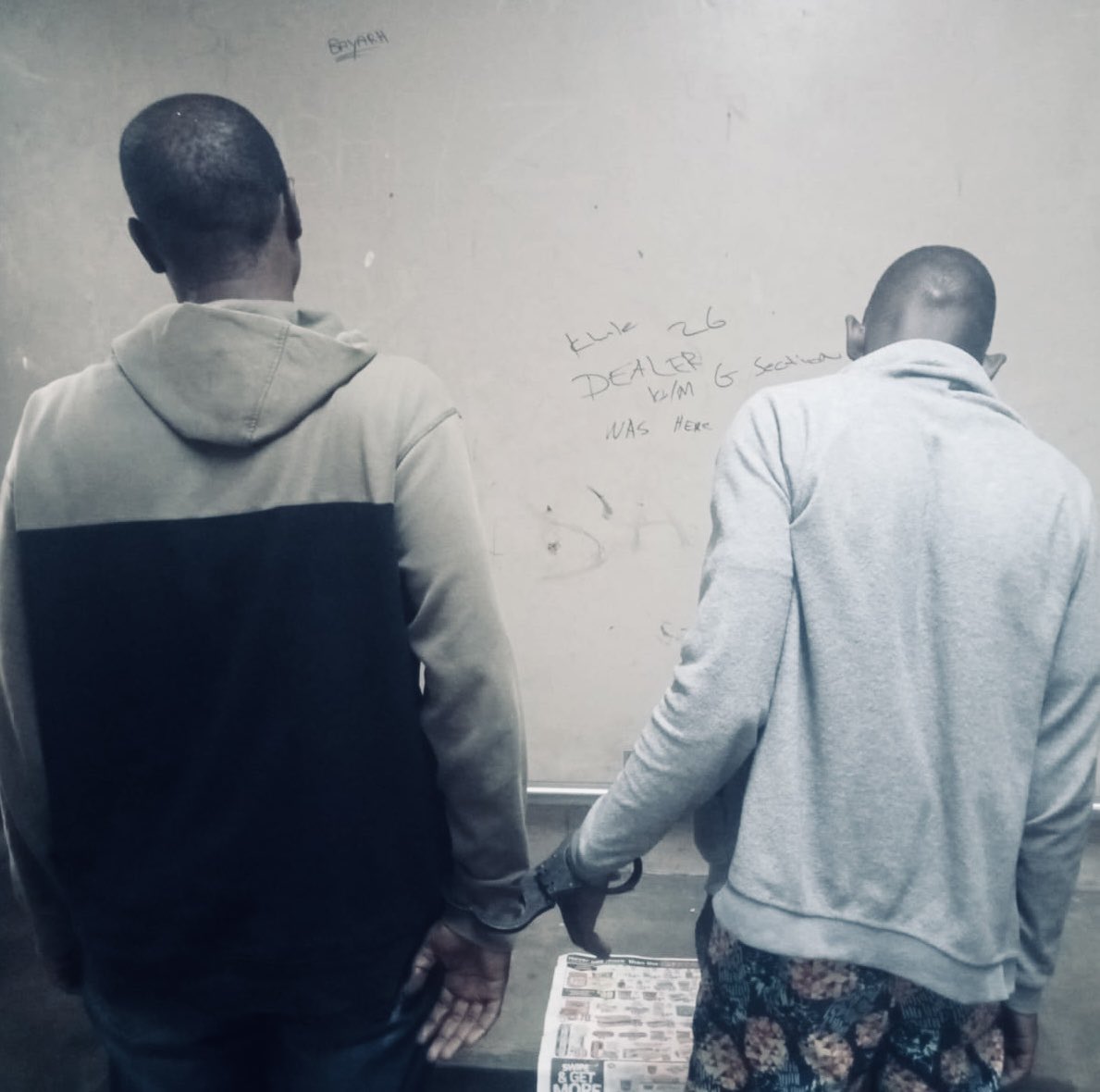
Two young men have been arrested following a targeted sting operation. The suspects are accused of running a sophisticated syndicate, posing as qualified medical professionals and selling fraudulent doctor’s certificates to the public for just R100 each.
The arrests have sent shockwaves through both the local community and the corporate sector in KwaZulu-Natal. The sheer longevity of the operation highlights a massive loophole in how employers verify medical absences, exposing a deeply entrenched underground market for fake medical documentation.
The Sting: How the Decade-Long Scam Unraveled
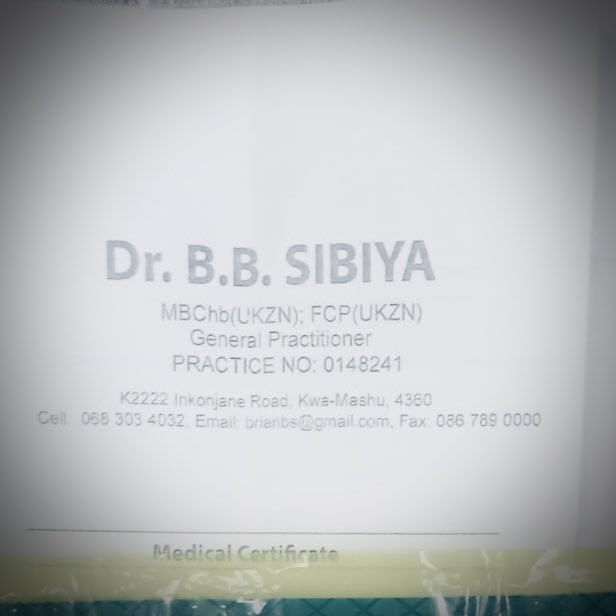
For more than a decade, the suspects reportedly operated out of a residential property in KwaMashu, building a massive, loyal client base purely through word-of-mouth. To the naked eye, the setup appeared to be a convenient, affordable community resource. To law enforcement, it was a highly illegal enterprise that compromised the integrity of the national healthcare system.
The downfall of the syndicate came after a prominent Durban-based employer noticed a suspicious influx of identical medical certificates being submitted by employees residing in the KwaMashu area. The sick notes all featured the same layout, overlapping dates, and a practice registration number belonging to a legitimate practitioner who had actually relocated overseas years prior.
The employer raised the alarm with the South African Police Service (SAPS) and the Health Professions Council of South Africa (HPCSA) Inspectorate.
An undercover operative was sent into the heart of KwaMashu to test the system. Posing as a desperate factory worker needing a backdated sick note to excuse a three-day unexcused absence, the operative was granted a custom-made medical certificate within minutes in exchange for a single R100 note. No medical examination was offered, no symptoms were logged, and no questions were asked. The moment the transaction was finalized, waiting tactical units moved in to make the arrests.
Inside the Operation: Stamps, Forgery, and Stolen Identities
The operation was highly organized. Clients could request specific diagnoses ranging from severe bouts of influenza to acute gastroenteritis, tailor-making their “illness” to match the exact number of days they wished to take off from work or school. By charging a flat rate of R100—significantly lower than the standard consultation fee of a legitimate private general practitioner—the syndicate positioned themselves as an irresistible, budget-friendly alternative for dishonest employees.
A Growing National Crisis: The Exploitation of Poor Health Literacy
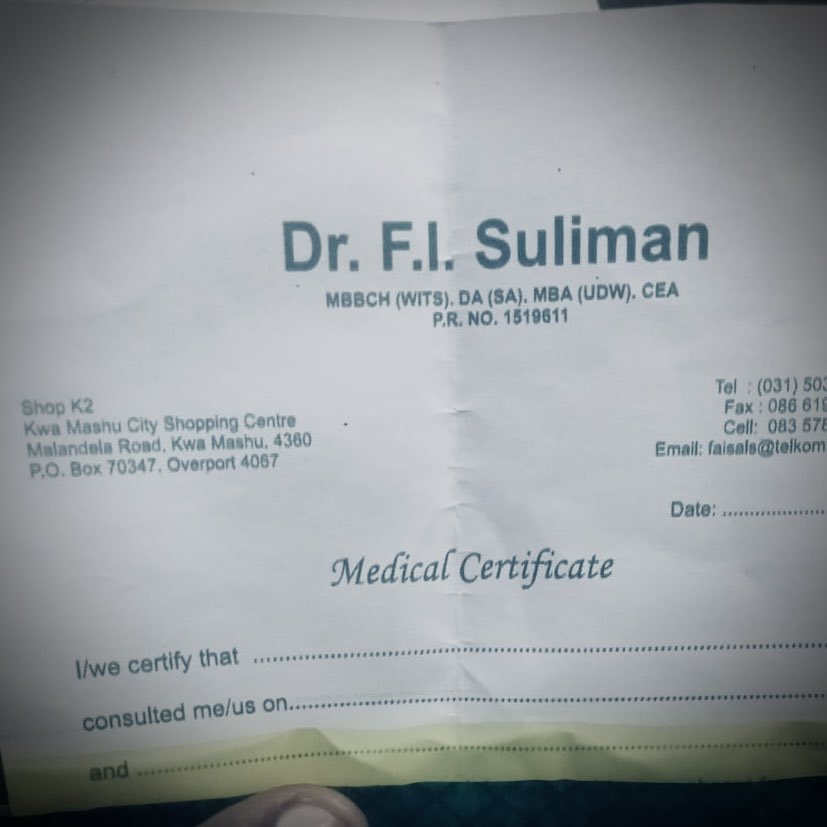
The KwaMashu bust is not an isolated incident. Over the last few years, the HPCSA alongside SAPS and the Hawks have arrested over 120 bogus healthcare practitioners across South Africa.
According to organizations like the South African Medical Association (SAMA), cash-strapped citizens and workers frequently fall prey to, or actively seek out, these illegal setups because legitimate private healthcare has become financially out of reach for many.
The Structural Flaw: When a legitimate doctor’s visit costs upwards of R400 to R600 excluding medication, an unregulated underground market selling structural immunity from workplace disciplinary actions for R100 will inevitably thrive.
Furthermore, medical syndicates often operate under the cover of large, densely populated urban townships like KwaMashu or major city centers, where it takes much longer for regulatory bodies to identify fraudulent practices. By hijacking the identity details and old practice numbers of genuinely registered doctors, these syndicates successfully bypass the initial checks of unsuspecting human resource departments.
The Legal and Corporate Fallout
The two suspects are facing heavy criminal charges, including fraud, forgery, uttering, and direct violations of the Health Professions Act.
However, the legal consequences will not stop with the creators of the fake notes. SAPS officials have confirmed that the recovered client ledgers and digital devices are being audited. Consequently, employees who knowingly purchased these fraudulent documents to deceive their employers could find themselves facing immediate dismissal, blacklisting, and potential criminal charges for fraud.
The business community has taken this raid as a stern warning to modernize their internal verification protocols. Relying on a stamped piece of paper is no longer a viable method for validating employee wellness. Moving forward, companies are being urged to implement direct digital verification or call medical practices directly to ensure that the professional signing off on an employee’s health is actually qualified to do so.
The prevalence of illegal medical practices across South Africa remains a major concern for healthcare authorities. To see more on how regulatory bodies are tackling the national rise of unverified medical practitioners, you can watch this report on bogus doctors arrested in South Africa. This broadcast outlines the broader, nationwide efforts by health authorities and police to dismantle similar medical fraud syndicates operating across the country.
About the Author