As Bafana Bafana intensify their final preparations ahead of the eagerly anticipated FIFA World Cup 2026, a quiet but highly significant administrative setback has reverberated through the South African Football Association (SAFA) headquarters.
National team head coach Hugo Broos, along with his scouting network, has reportedly been dealt a definitive blow in his ambitious pursuit of Lecce defender Corrie Ndaba.
The 26-year-old left-back, who has quietly established himself as a highly reliable tactical asset in the grueling landscape of Italy’s Serie A, was internally earmarked as a potential dream addition to the South African defensive unit. However, complex heritage dynamics and the player’s personal sporting trajectory mean that Bafana Bafana will have to face the global showpiece without the European-based star.
The Heritage Puzzle: Why SAFA Fought for Ndaba
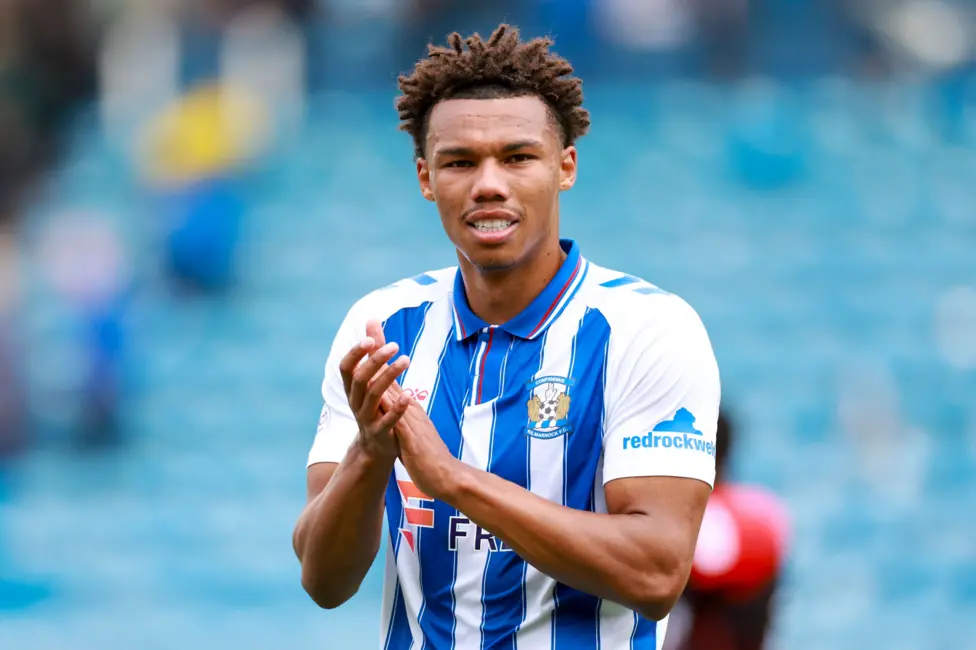
For many casual South African football enthusiasts, the name Corrie Ndaba might not have immediately rung a bell. Born and raised in Dublin, Ireland, the imposing 1.88-meter defender spent his formative professional years navigating the highly physical rungs of British football with Ipswich Town, alongside highly productive loan spells at Salford City and Scottish Premiership outfit Kilmarnock.
However, it was his permanent summer move to Italian club U.S. Lecce that truly propelled his profile onto the global radar.
Because of his South African paternal lineage, SAFA officials recognized a rare, golden opportunity to tie down a modern, top-tier left-back playing at the absolute pinnacle of European club football.
Under FIFA’s updated eligibility rules, despite having represented the Republic of Ireland at the Under-18 and Under-21 levels under Stephen Kenny, Ndaba remained fully eligible to switch his senior international allegiance to South Africa, given that he had never been capped at the senior competitive level for the Boys in Green.
Why Hugo Broos Desperately Needed a Left-Back
The pursuit of Ndaba was not a mere luxury scouting assignment; it was a mechanical necessity driven by a clear tactical vulnerability within the Bafana Bafana squad layout.
While South Africa boasts an incredibly settled, highly formidable defensive spine primarily anchored by Mamelodi Sundowns and Orlando Pirates stars, the specialized left-back position has remained a persistent headache for Hugo Broos.
The preferred domestic choices, while incredibly diligent and successful within the continent, often operate more naturally as inverted wing-backs or wide midfielders rather than traditional, physically imposing defensive full-backs.
Against elite, physically dominant international wingers—such as those South Africa will encounter in their highly demanding World Cup group stage matchups against Mexico, Czech Republic, and South Korea—Broos required a specific defensive profile.
Ndaba offered exactly that: a rare combination of modern technical assurance cultivated in Italy, exceptional aerial dominance standing at nearly 1.9 meters tall, and the tactical flexibility to transition seamlessly into a left-sided center-back in a back-three formation.
The Deciding Factors: Why the Move Collapsed
Ultimately, SAFA’s ambitious charm offensive failed to yield the desired breakthrough due to two primary obstacles:
1. The Long-Term European Vision
Having signed a highly lucrative, long-term contract with Lecce running until June 2028, Ndaba’s immediate professional focus is entirely fixed on anchoring his status in Europe. Navigating the demanding administrative processes required to secure a South African passport, alongside the grueling intercontinental travel schedules required for CAF and FIFA national commitments, was reportedly viewed as a potential risk to his hard-earned starting momentum in Serie A.
2. The Unwavering Republic of Ireland Ambition
Despite not yet receiving a senior call-up to the Irish first team, insiders close to the player suggest that Ndaba remains fiercely loyal to his boyhood dream of representing the Republic of Ireland at the senior level. Having come all the way through their youth ranks, the defender prefers to keep his international options open in Europe, gambling on his high-profile performances in Italy to eventually force his way into the Irish senior setup.
The Road Ahead for Bafana Bafana
The Perspective: While missing out on an elite, European-based talent of Ndaba’s caliber is undoubtedly a tough pill to swallow for Hugo Broos, Bafana Bafana cannot afford to linger on what could have been.
With a monumental pre-tournament international friendly against Nicaragua just days away on May 29, followed immediately by the historic World Cup opening clash against co-hosts Mexico on June 11, the technical team must quickly pivot back to the proven local structures that engineered their spectacular bronze-medal run at the Africa Cup of Nations.
The current crop of domestic defenders have shown immense tactical discipline, unbreakable chemistry, and unmatched patriotism under Broos’ guidance. Missing out on Corrie Ndaba closes a highly intriguing chapter of “what-if” scouting, forcing South Africa to place their absolute faith in the trusted local warriors who earned the historic right to fly the flag on the grandest sporting stage of them all.
About the Author