As of April 2026, the long-running legal battle between the State and Economic Freedom Fighters (EFF) leader Julius Malema has reached a fever pitch. In a development that has sent shockwaves through the South African political landscape, the National Prosecuting Authority (NPA) has confirmed it is seeking a substantial jail term—potentially up to 15 years—following Malema’s conviction related to the unlawful discharge of a firearm.
With sentencing proceedings set to resume at the East London Magistrate’s Court on Wednesday, April 15, and Thursday, April 16, the Commander-in-Chief of the EFF finds himself standing at a legal precipice that could fundamentally alter his political career and the future of his party.
The Origins: A Rally, a Rifle, and a Recording
The roots of the State’s pursuit date back to an EFF 5th Anniversary rally in July 2018 at the Sisa Dukashe Stadium in Mdantsane. A video that quickly went viral appeared to show Malema discharging an assault rifle into the air in front of thousands of cheering supporters.
While the defense argued that the weapon was a theatrical prop or a “toy gun” and that the sound was generated by simulation, Magistrate Twanet Olivier was not convinced. In late 2025, she handed down a guilty verdict on several counts, including:
- Unlawful possession of a firearm.
- Unlawful possession of ammunition.
- Discharging a firearm in a built-up area or public place.
- Reckless endangerment to person or property.
The State’s “Kill” Strategy
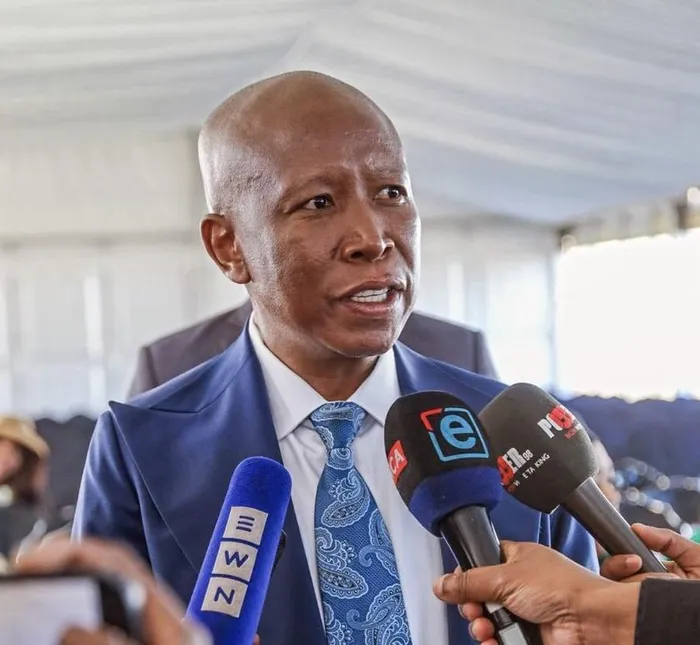
During a press briefing at the EFF headquarters in Johannesburg on April 9, 2026, a defiant Malema told reporters that the State is “coming from a kill.” He alleged that there is a coordinated political effort to ensure he is removed from the political chessboard by way of a prison cell.
The State’s push for a custodial sentence is grounded in the Firearms Control Act, which carries heavy penalties for the unauthorized discharge of high-caliber weaponry in public spaces. The prosecution argues that:
- Public Safety: Discharging a live weapon into a crowded stadium is a gross violation of public safety protocols.
- Deterrence: As a high-profile public figure, a lenient sentence for Malema would send a dangerous message regarding the “rule of law” and the handling of illegal firearms.
- Severity of Offense: The State maintains that the reckless nature of the act justifies a harsh sentence to uphold the integrity of firearm legislation in a country grappling with high rates of gun violence.
The Defense: Top-Tier Legal Firepower
In response to the State’s hardline stance, Malema has bolstered his legal team, enlisting the services of renowned Advocate Tembeka Ngcukaitobi. The defense is expected to present strong mitigating factors during the mid-April hearing:
- No Previous Convictions: Malema’s legal team will likely emphasize that he has no prior criminal record, a factor that typically weighs heavily against a prison sentence for a first-time offender.
- Lack of Intent to Harm: The defense continues to argue that the act was symbolic and that there was never any intention to cause physical injury.
- Appeal Process: Malema has already indicated that he believes the conviction is “fundamentally flawed” and is prepared to take the matter to the High Court and beyond.
Political Fallout: “Victory or Death”
The timing of these proceedings is particularly sensitive. With the EFF currently engaged in various regional and national political battles, the potential incarceration of its founding leader would be a “black swan” event for South African democracy.
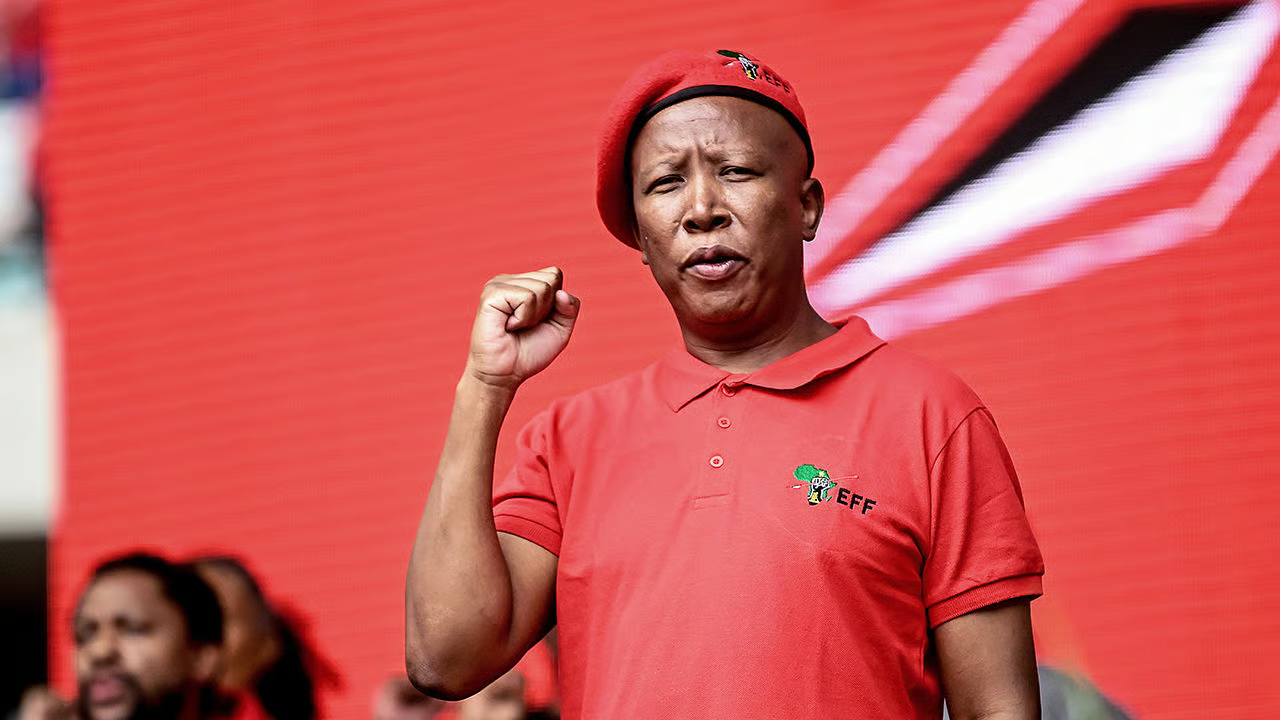
Malema remains characteristically unbowed, stating that even a conviction would not mark the end of his political journey. “We are going there ready and knowing what the other side wants from us,” he remarked. For the EFF, the slogan for 2026 has become “Victory or Death,” a sentiment reflected in the mass mobilization of “Fighters” expected to descend on East London for the court appearance next week.
The Deciding Phase
The East London Magistrate’s Court has already seen delays in the pre-sentencing phase, but the upcoming dates in mid-April are considered the “final heads of argument.” If the Magistrate sides with the State’s request for a 15-year term, it will trigger an immediate and protracted legal battle in the higher courts.
About the Author