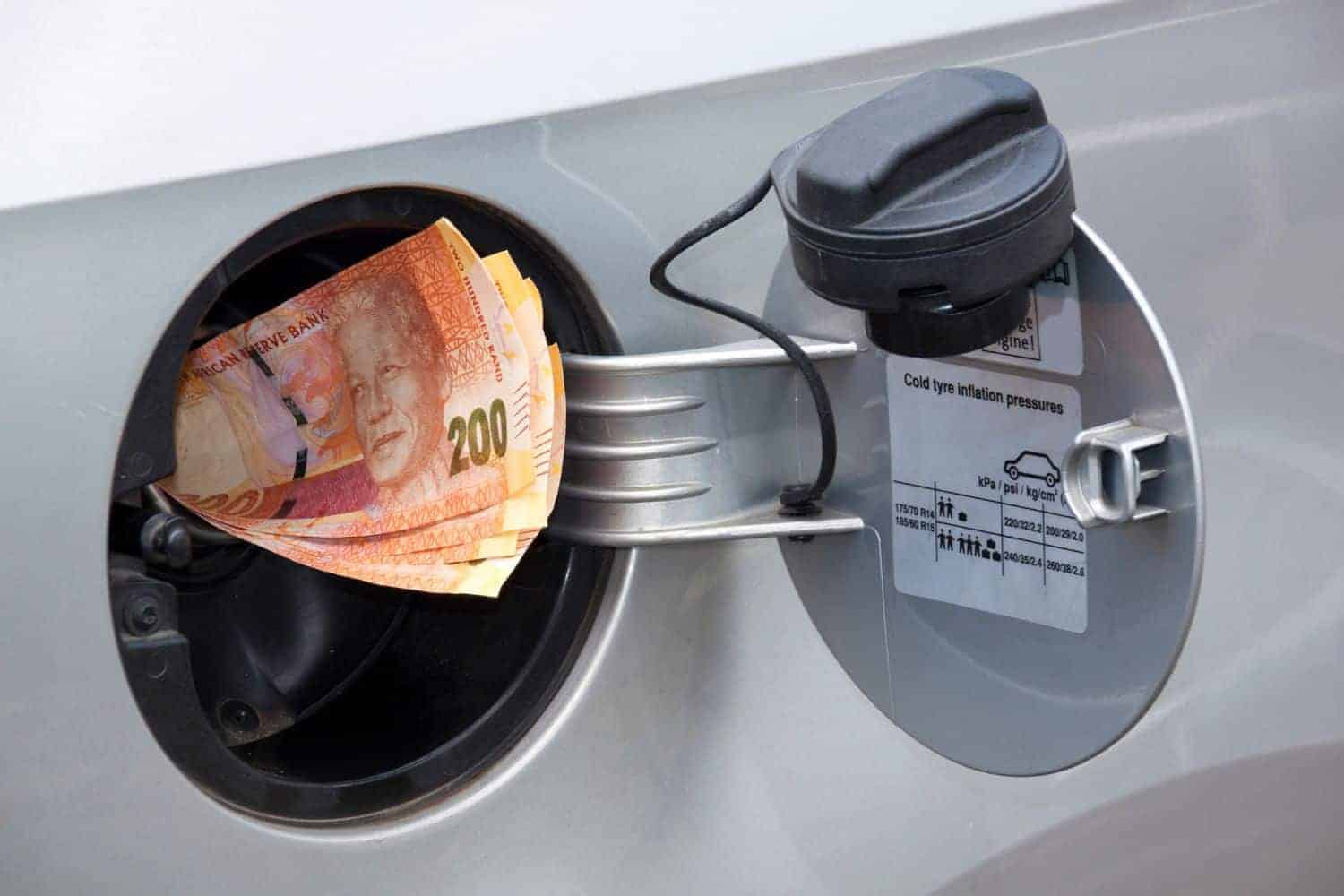
As South Africans navigate a month of already record-high costs, the horizon for May 2026 looks increasingly turbulent. Financial analysts and motoring organizations are warning of a “fuel cliff” that could see pump prices leap to unprecedented levels. Just weeks after absorbing significant hikes in April, motorists are being told to prepare for a secondary, even more aggressive spike on Wednesday, May 6, 2026.
The looming crisis is driven by a “perfect storm” of geopolitical instability, currency weakness, and the scheduled expiration of a multi-billion Rand government intervention. If current projections hold, South Africa could see petrol prices nearing the R30 per litre mark, a threshold that would have seemed unthinkable just a year ago.
The End of the R3.00 “Buffer”
The most immediate factor contributing to the May forecast is the scheduled withdrawal of the government’s emergency relief measure. In April 2026, the National Treasury implemented a temporary R3.00 per litre reduction in the General Fuel Levy to cushion the blow of soaring global oil prices.
- The Expiration: This relief is currently set to expire on Tuesday, May 5.
- The Automatic Jump: Unless Finance Minister Enoch Godongwana announces an extension—which would cost the fiscus approximately R6 billion in foregone revenue—the R3.00 will be added back to the cost of every litre of petrol and diesel overnight.
- The Fiscal Dilemma: Treasury is under immense pressure to balance consumer relief with the need to maintain a stable national budget, leaving motorists in a state of anxious “wait-and-see.”
Global Volatility and Under-Recovery
Beyond the tax levy, the Basic Fuel Price (BFP) is under massive upward pressure. Data from the Central Energy Fund (CEF) currently reflects significant “under-recoveries,” meaning the current regulated price is far lower than the actual cost of importing the fuel.
The primary drivers of this under-recovery are:
The Projected Numbers for May 2026
Early indicators from the CEF and independent analysts suggest the following changes could be implemented in the first week of May:
| Fuel Type | Projected Increase (Per Litre) | Contributing Factors |
| Petrol (93 & 95) | R3.50 – R5.00 | R3.00 Levy return + Market Under-recovery |
| Diesel (0.05% & 0.005%) | R4.50 – R13.00 | Severe global supply shortages and Levy return |
| Illuminating Paraffin | R10.00 – R11.00 | High winter demand and global distillate pressure |
The figures for diesel are particularly alarming. Because diesel is the primary fuel for the logistics, agriculture, and manufacturing sectors, an increase of this magnitude will inevitably “leak” into the price of food and general consumer goods.
Economic Impact: Beyond the Pump
A fuel hike of this scale is never an isolated event. Economists warn that a R4.00 to R5.00 jump in petrol will act as a catalyst for a fresh wave of inflation across the South African economy.
- Public Transport: Taxi associations and bus services, already operating on thin margins, will likely be forced to implement fare increases. For millions of commuters, this represents a direct hit to disposable income.
- Grocery Inflation: As the cost of transporting goods from farms to retail shelves increases, the “shelf price” of bread, milk, and vegetables is expected to follow suit within weeks of the hike.
- Logistics & Business: Small businesses that rely on delivery vehicles may find their operational costs becoming unsustainable, potentially leading to job cuts or service reductions.
Is There Any Relief in Sight?
The only potential “safety valve” remains government intervention. Organizations like COSATU and the Automobile Association (AA) have called on the government to reconsider the permanent structure of the fuel price, including a review of the various levies and the “Slate Account” mechanism.
However, with the Slate Account already under pressure from previous months of under-recovery, the government has limited room to maneuver. Some analysts suggest that a “phased-in” approach—reintroducing the R3.00 levy over two or three months rather than all at once—might be the only way to prevent a total economic shock.
Conclusion: Preparing for the Worst
As we approach May, the advice for South African households is clear: tighten the belt. If the current trajectory remains unchanged, the first Wednesday of May will bring the most significant single-day fuel price increase in the country’s history.
Whether you are a daily commuter or a business owner, the “May 2026 Double Blow” is a reminder of how deeply our local economy is tied to the volatile shifts of global geopolitics.
About the Author