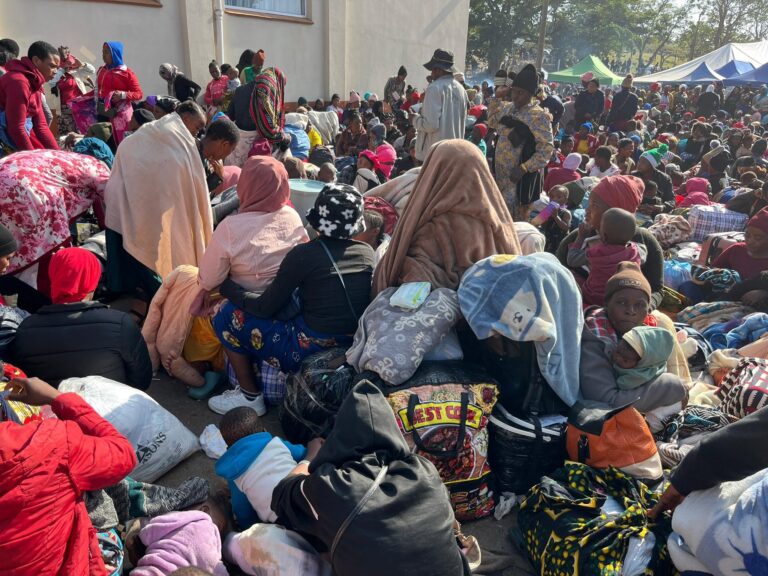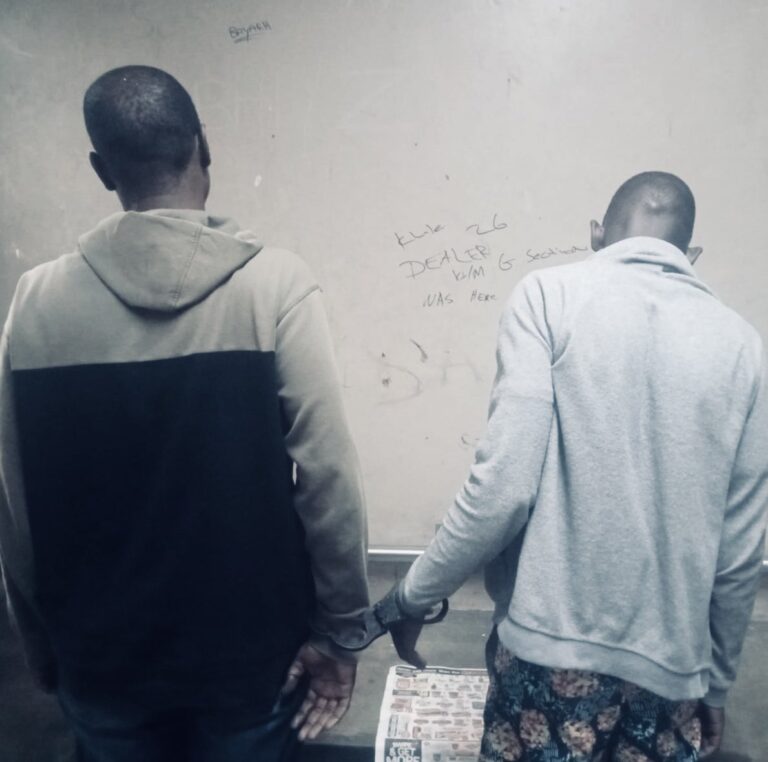

In early 2026, the city of KuGompo (formerly East London) has become a focal point for one of South Africa’s most volatile socio-political crises. While the city’s renaming in February 2026 was intended to symbolize a new era of transformation and identity, it has instead been overshadowed by a wave of anti-immigrant sentiment and violent unrest. The presence of foreign nationals—ranging from entrepreneurs and skilled workers to asylum seekers—has moved from a quiet economic reality to the center of a storm involving traditional authority, community frustration, and the “rule of law.”
The events of March and April 2026 have painted a stark picture of a city struggling to reconcile its historical values of human dignity with the rising pressures of poverty, unemployment, and perceived cultural “takeovers.”
The “Igbo King” Incident: A Flashpoint of Sovereignty
The primary catalyst for the recent turmoil was the alleged coronation of a Nigerian “Igbo King,” Chief Solomon Ogbonna Eziko, as the Igwe Ndigbo of KuGompo. In late March 2026, social media was flooded with images and videos of the ceremony, which many local traditional leaders viewed as a direct challenge to the authority of the AmaRharhabe Kingdom.
- Traditional Leadership Response: Figures such as Prince Xhanti Sigcawu and other Eastern Cape traditional leaders condemned the move as a “flagrant violation” of South African sovereignty. They argued that foreign nationals cannot be permitted to establish parallel monarchies on local soil.
- Political Fallout: The incident triggered a massive protest on March 30, 2026, which quickly spiraled into violence. Protesters torched vehicles and property belonging to foreign nationals, particularly those from Nigeria and Somalia.
- The “Homeland” Warning: Former mayor Athol Trollip and provincial leaders warned that creating “homelands” for foreign nationals within a sovereign South African city echoes the painful history of apartheid-era divisions and would not be tolerated.
Economic Tension and “California Tavern”
Beyond the symbolic disputes over kingship, the tension in KuGompo is rooted in the informal and small-business economy. Local residents have increasingly expressed frustration over what they perceive as the “takeover” of the city center by foreign-owned businesses.
In April 2026, the focus shifted to California Tavern on Freemarket Street. Hundreds of marchers, led by local activists like Nondumiso Tyiso, demanded the closure of the Nigerian-owned nightclub, alleging it was a hub for drug distribution.
- Preemptive Closures: Mindful of the looting that took place in late March, many Somali and Ethiopian shop owners in the CBD chose to close their doors during these protests, fearing their butcheries and convenience stores would be targeted regardless of their involvement in the specific grievances.
- Looting and Arson: During the March 30 riots, businesses such as tire shops and butcheries were looted and set on fire. Adam Hassan, a Somali businessman, noted that the violence often seemed indiscriminate, with protesters demanding to see asylum papers while simultaneously stripping batteries and keys from any vehicles they encountered.
The Role of Law Enforcement and Social Decay
A common theme in the narratives of KuGompo residents is the perceived failure of the South African Police Service (SAPS) to address community grievances. Jacinta Ngobese-Zuma, a leader of the “March & March” group, noted that the violence in late March was triggered when a community member was allegedly stabbed by a foreign national, and police reportedly failed to act immediately.
“People got frustrated. They started looking for the person who had stabbed this particular person, and that is when the tension actually started rising.” — Jacinta Ngobese-Zuma
This lack of trust in the state’s ability to regulate immigration and police the informal sector has led to “citizens’ arrests” and vigilante actions. The Buffalo City Metropolitan Municipality has called for calm, but the underlying “social ills”—high youth unemployment and drug abuse—continue to provide the tinder for xenophobic fires.
A City in a Tug-of-War
KuGompo (formerly East London) has historically been an industrial and port-centric city. Today, it is a city of two halves:
- The Industrial Potential: The East London Industrial Development Zone (ELIDZ) continues to seek international investment, emphasizing its role as a premier tourism and manufacturing hub.
- The Social Reality: In areas like Duncan Village and the CBD, the failure to upgrade informal settlements and provide adequate housing has forced locals and foreign nationals into high-competition spaces for resources and survival.
Conclusion: The Need for Mediated Integration
The crisis in KuGompo City is a microcosm of a broader national struggle. The deportation of undocumented persons remains a priority for the government, but for the foreign nationals who are legally residing and doing business in the city, the current climate is one of fear and uncertainty.
Premier Lubabalo Oscar Mabuyane has reaffirmed that the Eastern Cape is built on values of unity and respect for the rule of law. However, as the 2026 protests show, those values are under immense pressure. Until the city can address the core issues of economic exclusion and establish a clear, respected protocol for how foreign communities interact with local traditional structures, the “Blue Wave” of KuGompo will remain a turbulent one.
Do you believe that establishing a formal “Foreigner Liaison Office” within the Buffalo City Municipality could help bridge the gap between traditional leaders and immigrant communities to prevent future violence?
About the Author