The 2026 Easter long weekend, typically a time of spiritual reflection and family gatherings, was marked by a massive law enforcement mobilization across South Africa. While millions traveled safely to their destinations, thousands of others found themselves on the wrong side of the law as the South African Police Service (SAPS) and various traffic agencies executed an “uncompromising” safety strategy.
By the close of the Easter period, official reports from SAPS and the Road Traffic Management Corporation (RTMC) painted a picture of a nation grappling with persistent issues of substance abuse, illegal firearms, and reckless road behavior.
A Surge in Drunk Driving Arrests
Despite repeated “Arrive Alive” campaigns and public pleas for personal accountability, the statistics for driving under the influence (DUI) were among the most sobering of the weekend. According to the RTMC, drunk driving arrests skyrocketed by 39% compared to the previous year.
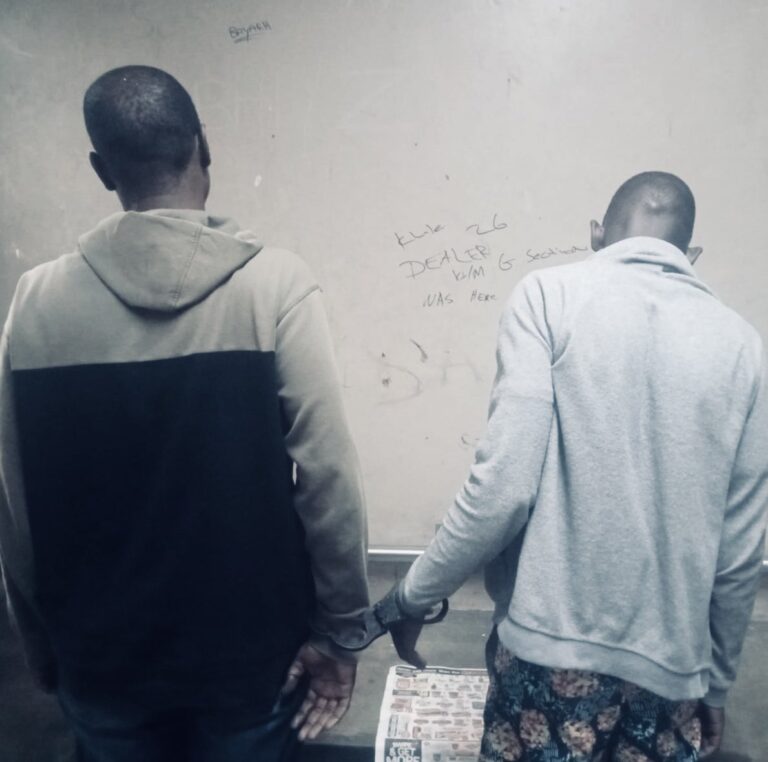
- Total DUI Arrests: Over 1,400 motorists were detained nationwide for driving while intoxicated.
- The Provincial Breakdown: KwaZulu-Natal (KZN) emerged as a significant hotspot, with the Road Traffic Inspectorate charging thousands for various violations, including nearly 300 for DUI alone.
- A Cross-Section of Society: Highlighting that the issue of drunk driving transcends social and professional boundaries, those arrested included a university lecturer, nurses, teachers, and even a municipal chief liaison officer.
One particularly poignant incident captured the public’s attention: a groom in Newcastle was arrested for DUI on his way to his own wedding, leaving his bride waiting at the altar while he was processed in a holding cell.
Clamping Down on “Crime-Enabling” Environments
Law enforcement officials identified illegal liquor outlets and non-compliant taverns as primary drivers of violent crime over the holidays. SAPS Spokesperson Colonel Athlenda Mathe noted that many mass shootings and cases of Assault with Intent to Cause Grievous Bodily Harm (GBH) originate in these unregulated spaces.
To combat this, police conducted a sweep of “shebeens” and illegal establishments:
- Illegal Taverns: More than 532 illegal outlets were shut down for operating without valid licenses or failing to comply with the Liquor Act.
- Alcohol Sales: Over 700 individuals were arrested specifically for the illegal sale of liquor, with the majority of these arrests occurring in KZN and Mpumalanga.
- Violent Crime Links: Police linked these operations to the arrest of more than 1,300 suspects for Assault GBH, many of whom were detained following brawls at drinking holes.
Removing Firepower from the Streets
Beyond the roads and taverns, the SAPS “Safer Easter” operations focused heavily on illegal weaponry. The weekend saw a significant “clean-up” of the streets, with authorities reporting the following seizures:
- 132 illegal firearms were confiscated.
- More than 1,000 rounds of ammunition were recovered.
- KZN recorded the highest number of handgun confiscations, further cementing its status as a high-focus area for the 2026 operations.
The removal of these weapons is seen as a critical preventative measure. Minister of Police and SAPS leadership emphasized that every illegal firearm seized represents a potential murder or armed robbery averted.
Drugs and Other Major Offenses
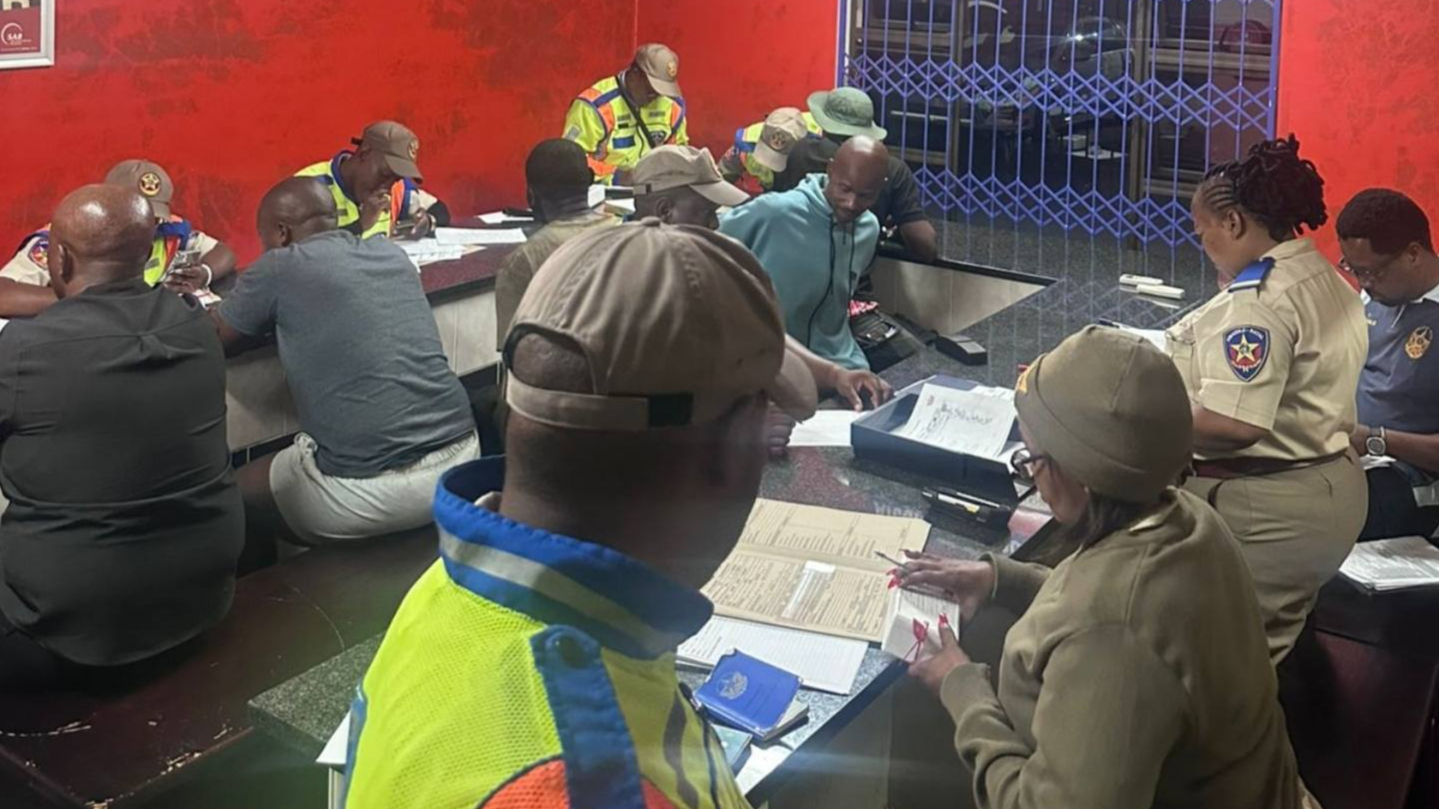
The crackdown was not limited to alcohol and weapons. In a massive logistical effort involving roadblocks and intelligence-driven raids, police processed a staggering 15,800 suspects for a wide range of offenses, including:
- Drug Possession: Nearly 1,750 suspects were detained for the possession of narcotics, with the Western Cape recording the highest volume of drug-related arrests.
- Serious Crimes: Arrests were also made for high-priority crimes including murder, rape, and armed robbery.
- Undocumented Persons: Roadblocks on major corridors like the N1 and N6 resulted in the detention of several undocumented persons and the recovery of suspected stolen vehicles.
The Cost of Non-Compliance: Impoundments and Fines
For those who avoided arrest but failed to meet vehicle safety standards, the consequences were still severe. The Minister of Transport, Barbara Creecy, had warned prior to the weekend that any vehicle found with defective brakes, smooth tires, or steering faults would be impounded immediately.
“Over 80% of road crashes are the direct result of human behavior. We are calling on every driver to take ownership.” — Minister Barbara Creecy
True to this word, there was a 31.6% rise in vehicle impoundments this year, with 1,215 vehicles taken off the road. Additionally, traffic fines totaling hundreds of thousands of Rands were issued at static checkpoints on high-risk routes like the N3 and N4.
The Path Forward
While the high number of arrests demonstrates the efficiency and visibility of law enforcement in 2026, it also serves as a stark reminder of the work remains. The 11% drop in road crashes reported earlier in the season suggests that coordinated efforts are working, but the “staggering” spike in drunk driving indicates a cultural resistance to safety regulations.
As the 2026 Easter holiday concludes, the thousands of individuals currently awaiting their day in court serve as a collective warning: South African authorities are no longer leaning on “awareness” alone; they are shifting toward a policy of zero tolerance.
About the Author