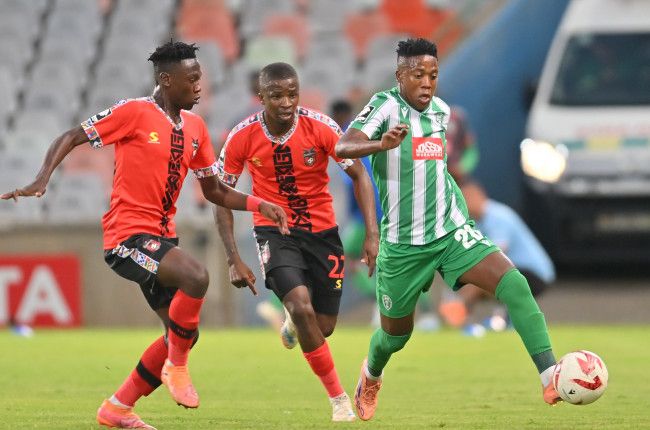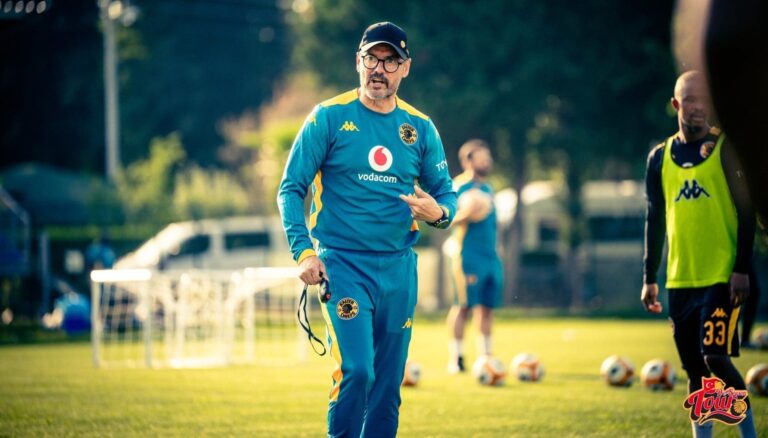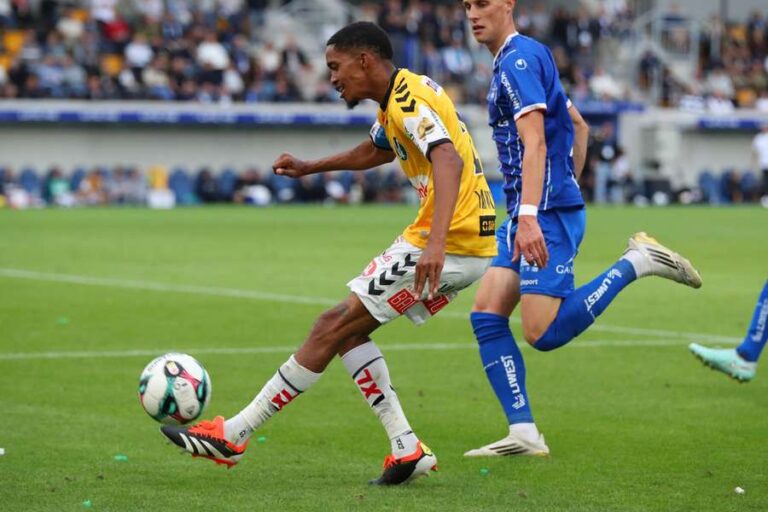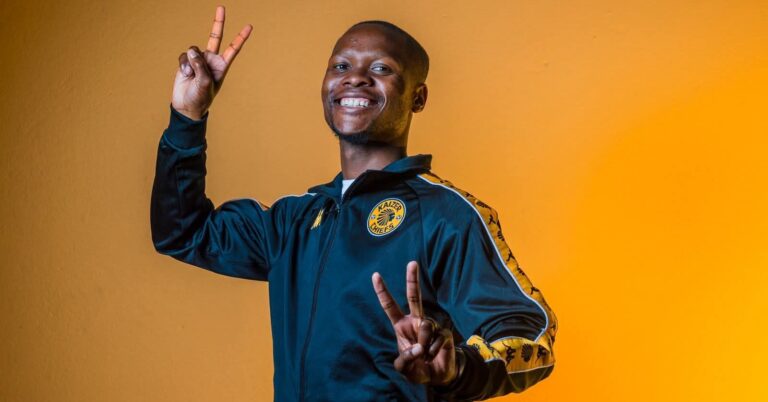
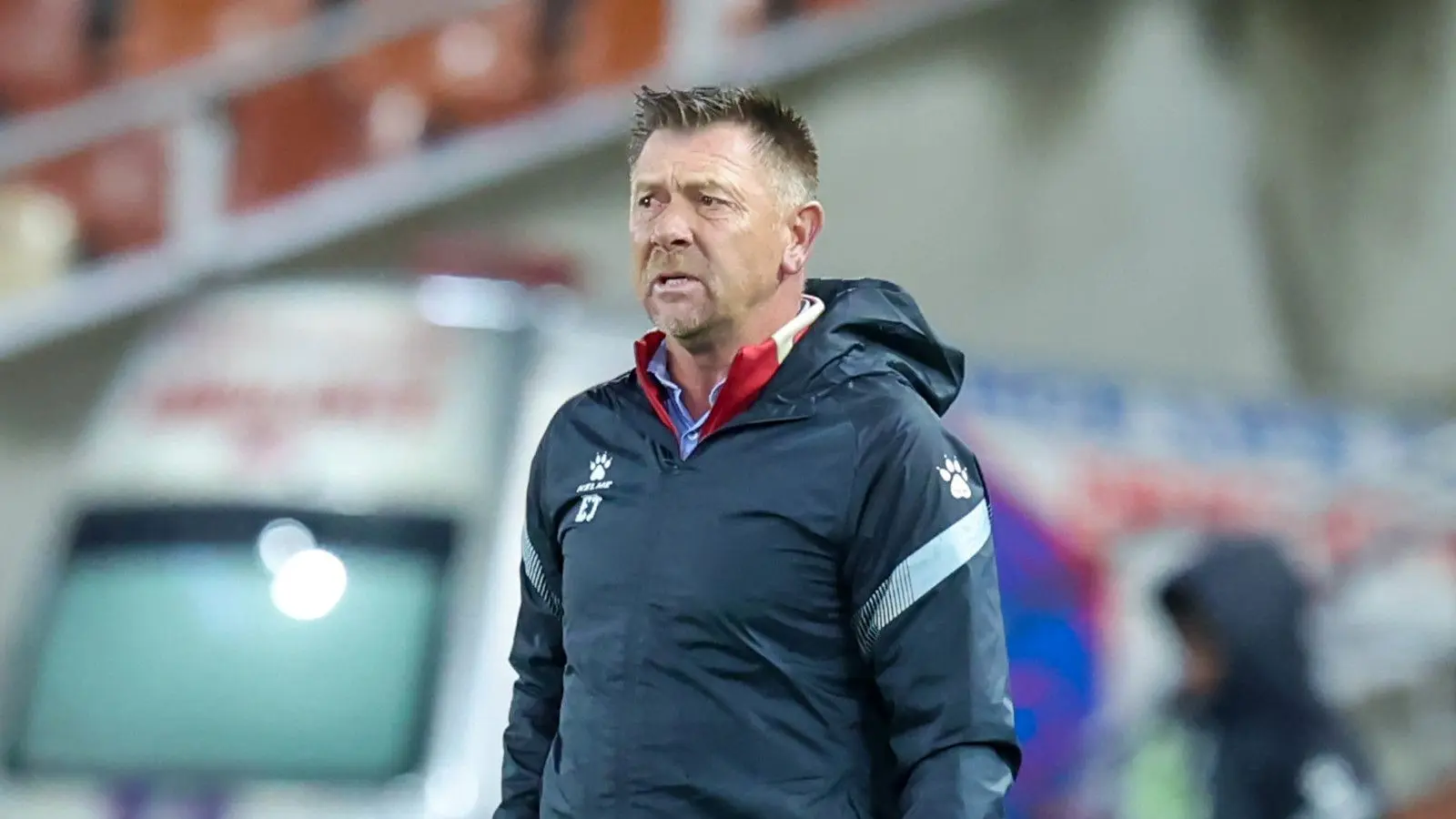
The high-pressure world of South African football has claimed another high-profile casualty. In a move that has sent ripples through the Betway Premiership, Sekhukhune United have officially announced the departure of head coach Eric Tinkler. The decision, described as “mutual” but clearly fueled by a recent dip in form, brings an abrupt end to the veteran tactician’s tenure at the Peter Mokaba Stadium.
The announcement came late on Monday evening, April 13, 2026, following a lengthy board meeting. For the “Babina Noko” faithful, the news is a bitter pill to swallow, as Tinkler was seen as the man to finally bridge the gap between Sekhukhune and the traditional “Big Three.” However, a string of inconsistent results in the final stretch of the season has forced the board to act, prioritizing a “fresh perspective” for the upcoming campaign.
The Catalyst: A Spring Slump
The cracks in the relationship began to show in early March. While Sekhukhune started the 2025/26 season with blistering intent—at one point sitting comfortably in the top four—the post-AFCON period proved to be their undoing.
The final straw appears to have been the back-to-back defeats in early April:
- The 2–0 loss to Polokwane City: A lackluster performance in the Limpopo Derby that left fans questioning the team’s tactical identity.
- The Home Defeat to Royal AM: A match where Sekhukhune dominated possession but failed to register a single shot on target, highlighting a growing disconnect between Tinkler’s rigid defensive structure and the team’s attacking potential.
With the club slipping to 7th place and their hopes of CAF Confederation Cup qualification fading, the mandate of a Top 3 finish—set by Chairman Simon Malatji at the start of the season—became mathematically improbable.
Tactical Rigidity vs. Squad Potential
Eric Tinkler has always been a coach defined by his defensive organization. His “safety first” philosophy brought success at Cape Town City and SuperSport United, and initially, it seemed to stabilize a Sekhukhune side that had struggled with defensive fragility.
However, sources close to the dressing room suggest that the players felt “shackled.” The creative talents of the squad often found themselves playing a conservative brand of football that focused more on nullifying the opposition than expressing their own skill. In a league increasingly defined by the high-transition, fluid attacking styles of Mamelodi Sundowns and Orlando Pirates, Tinkler’s 4-4-2 “low block” started to feel like a relic of a previous era.
The Successor Search: Who is Next?
As Sekhukhune United begins the hunt for a new leader, the rumor mill is already in overdrive. The board has indicated that they are looking for a coach who can implement a more “modern, offensive-oriented” philosophy.
Several names are already being linked with the vacancy:
- Steve Komphela: A perpetual favorite for any top-flight job, Komphela’s experience and ability to manage big personalities make him a frontrunner.
- Benni McCarthy: Currently a free agent after his stint abroad, McCarthy would bring the star power and attacking verve that the Sekhukhune board craves.
- A European “Wildcard”: Given the trend of hiring North African and European tactical experts in the PSL recently, there is a strong possibility the club may look beyond South African borders.
Tinkler’s Legacy at Babina Noko
While the exit is unceremonious, it would be unfair to dismiss Tinkler’s contribution. He oversaw the integration of several young prospects into the first team and improved the club’s disciplinary record significantly. His professionalism and “no-nonsense” approach brought a level of structural maturity to a club that is still relatively young in its top-flight journey.
In a brief statement released via his representatives, Tinkler expressed his gratitude:
“I would like to thank the management, players, and fans of Sekhukhune United for the opportunity. Football is a results-driven business, and while we didn’t achieve our ultimate goal this season, I leave with my head held high, knowing the foundation has been laid.”
What Now for Sekhukhune?
The immediate focus for the club shifts to their final four matches of the season. Assistant coach McDonald Makhubedu has been appointed as the interim manager. His primary task will be to steady the ship and ensure a top-eight finish to secure MTN8 participation for next season.
For the “Babina Noko” supporters, the departure of Tinkler marks the end of an era of stability and the beginning of a period of uncertainty. The board’s next move will be the most critical in the club’s short history. They have built the infrastructure and provided the financial backing; now, they need a tactical architect who can turn potential into trophies.
Conclusion: A Necessary Breakup?
In the ruthless environment of the Betway Premiership, sentiment rarely wins out over statistics. Eric Tinkler is a winner, but his brand of winning no longer aligned with the trajectory Sekhukhune United envisions for itself.
The parting of ways is a gamble for both parties. Tinkler will undoubtedly find a new home—his resume is too strong for him to remain unemployed for long. For Sekhukhune, the search for a “modern” coach begins, with the hope that the grass is indeed greener on the other side of the tactical divide.
About the Author